
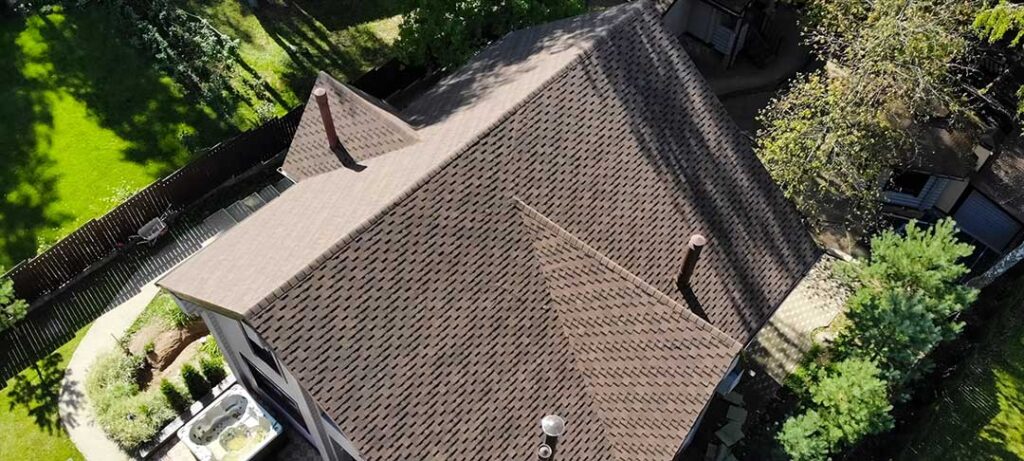
A roof is both a major part of a home’s protection and one of the features insurers consider when setting coverage terms. For households in Livonia, NY, understanding the difference between sudden storm damage, long-term deterioration, deductibles, and maintenance obligations can make an insurance claim less confusing.
Insurance policies vary, so the policy’s declarations page, exclusions, endorsements, and deductible language always control the final decision.
Does homeowners’ insurance cover roof damage?
Usually, homeowners’ insurance may cover roof damage caused by a sudden, covered event. Examples can include wind, hail, falling trees, fire, or the weight of snow, depending on the policy.
Insurance generally does not pay for damage caused by normal aging, gradual deterioration, poor maintenance, installation defects, or repeated leaks that were not addressed. A roof that has been slowly losing shingles for years is treated differently from a roof damaged by a single severe windstorm.
Coverage may also depend on whether the damage affected the roof’s ability to protect the home. A few missing shingles may lead to a limited repair, while widespread storm damage may justify more extensive work under the policy.
What is the difference between storm damage and wear and tear?
The central question is often whether the roof problem was sudden and accidental or developed over time.
Possible storm-related damage may include:
- Shingles or roofing materials blown away during high winds
- Hail strikes that crack, bruise, or loosen roofing materials
- A tree limb falling onto the roof
- Water entering after a covered opening is created by a storm
- Structural damage caused by the weight of snow, if included under the policy
Typical maintenance or aging issues may include:
- Brittle, curled, cracked, or heavily worn shingles
- Granule loss caused by age
- Long-term moss or algae growth
- Rot around poorly maintained roof edges
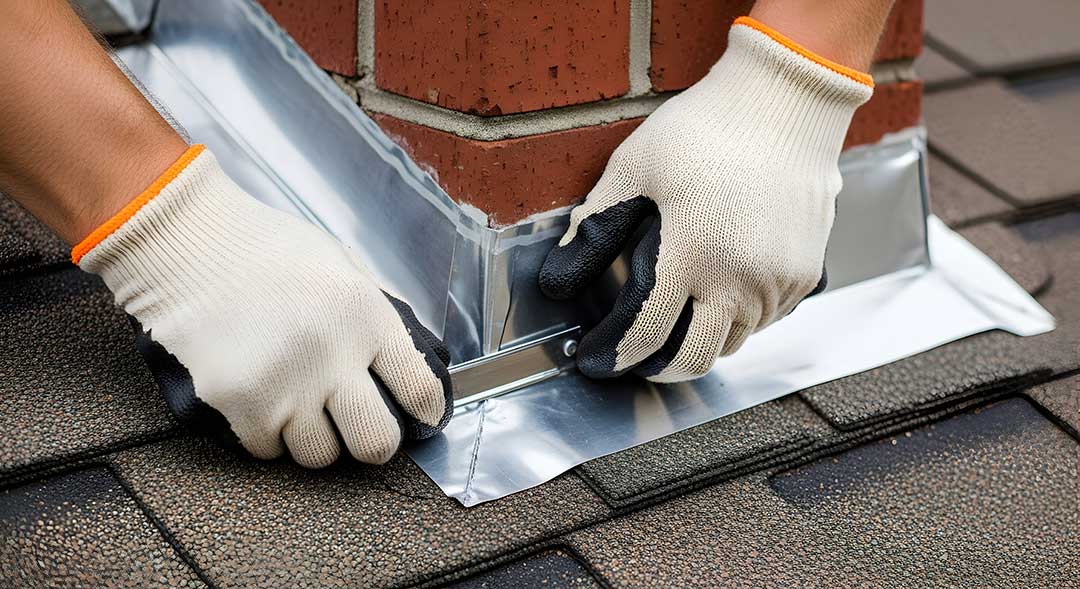
- Leaks from old flashing or deteriorated sealants
- Damage related to defective installation or construction
The distinction is not always obvious from the ground. A roof can have both age-related wear and new storm damage, which is why photographs, repair records, weather information, and an inspection may all matter during a claim.
How do deductibles affect a roof claim?
A deductible is the amount the homeowner pays before insurance contributes to a covered loss. If covered repairs cost less than the deductible, the policy may provide no payment.
The declarations page may show a standard deductible, while some policies also contain separate windstorm or other special deductibles. New York’s Department of Financial Services explains that windstorm deductibles can be expressed as a percentage of the dwelling coverage amount, making them substantially different from a fixed-dollar deductible. ([dfs.ny.gov](https://www.dfs.ny.gov/consumers/help_for_homeowners/insurance/basic_coverage?utm_source=openai))
For example, a 2 percent deductible on a dwelling insured for $300,000 would equal $6,000. That figure is based on the policy language, not necessarily on the estimated cost of replacing the roof.
Before filing a claim, review:
- The dollar amount or percentage of each applicable deductible
- Whether the loss is classified as wind, hail, or another covered peril
- Whether separate deductibles apply to the roof, siding, or other structures
- Any deadlines for reporting the loss
Does insurance pay for a full roof replacement?
Not automatically. Insurance generally pays for covered damage, not simply because a roof is old or near the end of its expected service life.
If a storm damages part of a roof, the insurer may determine that a repair is sufficient. A full replacement may be considered when the covered damage is widespread, compatible materials are unavailable, or local requirements affect how the work must be completed. The policy and the facts of the loss determine the outcome.
Payment can also depend on whether the policy provides replacement cost or actual cash value coverage. Replacement cost coverage is designed to pay the cost of replacing covered damage, subject to the policy terms and limits. Actual cash value generally subtracts depreciation based on age and condition. The National Association of Insurance Commissioners identifies roof age, condition, material, and design as factors that can affect insurance pricing and coverage considerations. ([content.naic.org](https://content.naic.org/article/consumer-insight-searching-homeowners-insurance-policy-tips-get-most-value?utm_source=openai))
Some policies issue an initial payment based on actual cash value and release additional replacement-cost funds after repairs are completed and documented. The policy may set a deadline for submitting receipts or proof of completion.
Can an old roof make insurance more difficult or expensive?
Yes. Roof age and condition can affect premiums, deductibles, inspections, renewal decisions, and available coverage. An insurer may ask for the installation date, roofing material, number of layers, recent repairs, or photographs.
A new roof may also qualify for a discount or updated rating, particularly when it includes features designed to resist wind, hail, or other hazards. New York’s insurance department notes that certain roof improvements and other risk-reduction measures may qualify for savings, but eligibility depends on the insurer and the specific materials or installation methods. ([dfs.ny.gov](https://www.dfs.ny.gov/consumer-insurance-discounts-savings?utm_source=openai))
Keeping records is useful. Save invoices, permits when applicable, product information, inspection reports, and before-and-after photographs. If the roof is replaced, notify the insurer rather than assuming the change will be discovered automatically.
What should residents do after suspected roof damage?
Safety comes first. Do not climb onto a wet, icy, steep, or visibly unstable roof. In the region, winter snow, freeze-thaw cycles, lake-effect conditions, and strong seasonal winds can make roof access especially hazardous. The National Weather Service describes the area’s climate as snowy and changeable, with frequent winter thaws and localized heavy snow. ([weather.gov](https://www.weather.gov/buf/ROCclifo?utm_source=openai))
From the ground or from a safe interior location:
- Photograph missing shingles, fallen branches, damaged flashing, ceiling stains, and water entry
- Write down the date and approximate time of the storm
- Protect belongings from further water damage without creating a safety risk
- Use a temporary covering only if it can be installed safely
- Keep receipts for emergency materials or temporary lodging
- Notify the insurer promptly and ask what documentation is required
- Avoid making permanent repairs before the insurer has had a reasonable opportunity to inspect, unless immediate action is needed to prevent additional damage
New York’s Department of Financial Services recommends documenting property and possessions, maintaining an inventory, and reviewing policy limits before a loss occurs. ([dfs.ny.gov](https://www.dfs.ny.gov/consumers/help_for_homeowners/storm_preparedness?utm_source=openai))
Are leaks always covered?
No. The source of the leak matters. Water damage may be covered if wind or hail first created a covered opening in the roof. A leak caused by years of deteriorated flashing, missing maintenance, or an old roof may be excluded.
Policies may also treat interior damage separately from roof damage. For example, water may damage drywall, insulation, flooring, or personal belongings even when the roof repair itself is not covered. Coverage for those items still depends on the cause of loss, exclusions, limits, and deductible.
Flooding is generally not covered by a standard homeowners’ policy. New York’s insurance department states that flood and mudslide coverage is typically provided through separate insurance rather than standard homeowners coverage. ([dfs.ny.gov](https://www.dfs.ny.gov/consumers/help_for_homeowners/insurance/basic_coverage?utm_source=openai))
What should be reviewed before winter and spring storms?
A seasonal review can uncover problems before they become a claim dispute. Look for loose or missing shingles, exposed underlayment, damaged vent boots, clogged drainage paths, deteriorated flashing, and attic moisture.
Also review:
- The roof’s installation year and repair history
- The dwelling coverage limit compared with current rebuilding costs
- The standard and special deductibles
- Replacement-cost versus actual-cash-value provisions
- Coverage for detached structures
- Water-backup and additional-living-expense endorsements
- Any roof inspection or maintenance requirements
Insurance is not a substitute for routine roof care, and routine maintenance is not the same as storm coverage. Knowing that distinction before a loss helps homeowners document conditions accurately and understand what the policy is designed to protect.
