
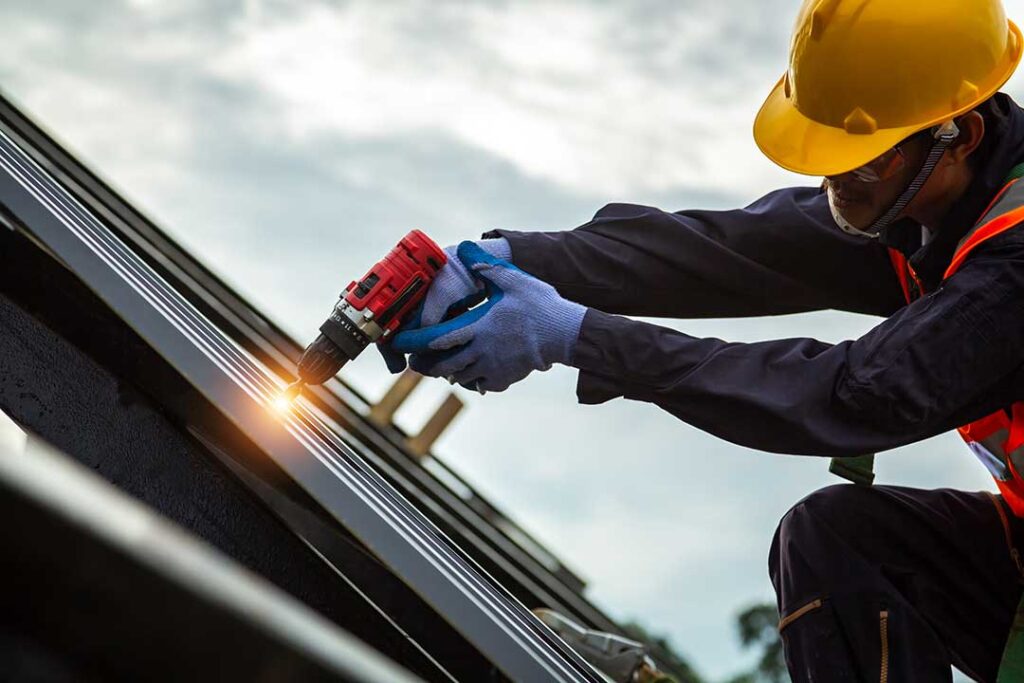
Weather affects a roof gradually and sometimes suddenly. In Livonia, NY, roofs must handle heavy rain, freeze-thaw cycles, lake-effect snow, strong winds, ice, and summer heat. Understanding how each condition affects roofing materials can help residents recognize problems before they become interior leaks or structural damage.
How does rain affect a roof?
Rain usually causes problems when water is allowed to remain in one place or find a weakness in the roofing system. A properly installed roof is designed to shed water, but damaged shingles, blocked drainage, and deteriorated flashing can interrupt that process.
Common rain-related problems include:
- Leaks around chimneys, skylights, plumbing vents, and roof edges
- Water entering beneath cracked, lifted, or missing shingles
- Rot in roof decking, fascia, or soffits
- Damp insulation and stained ceilings
- Mold growth in poorly ventilated attic spaces
Heavy rain can also expose drainage problems. If gutters or downspouts are clogged, water may back up under the roof edge or overflow beside the foundation. Valleys, where two roof sections meet, receive concentrated runoff and deserve particular attention after intense storms.
A small ceiling stain does not always mark the exact location of the roof defect. Water can travel along roof decking, rafters, insulation, or interior framing before appearing indoors.
What does snow do to roofing materials?
Snow itself is not necessarily harmful, but accumulated snow adds weight to the roof. The risk depends on snow depth, moisture content, roof design, structural condition, and whether snow has accumulated unevenly.
Wet snow is much heavier than light, dry snow. Problems are more likely when several storms occur close together and older snow remains on the roof beneath newer accumulation. Uneven drifts can place additional stress on one portion of the structure, especially near roof transitions, dormers, valleys, and areas sheltered from wind.
Warning signs after substantial snowfall may include:
- New cracks in ceilings or interior walls
- Doors that suddenly stick
- Unusual popping or creaking sounds
- Sagging roof lines
- Bowed rafters or visible movement in the attic
These signs can indicate a structural concern. People should avoid climbing onto a snow-covered roof because falls, hidden ice, and unstable surfaces create serious hazards. Snow removal is not automatically necessary after every storm, and improper removal can damage shingles, flashing, and protective layers.
Why are freeze-thaw cycles hard on a roof?
Freeze-thaw cycles occur when water enters a small opening, freezes, expands, and then melts. Repeated cycles can gradually enlarge cracks and loosen materials.
This process may affect:
- Shingle edges and seals
- Flashing joints
- Masonry near chimneys
- Roof cement and older patching materials
- Exposed fasteners
- Roof decking near recurring leaks
In the local climate, temperatures may move above and below freezing repeatedly during late fall, winter, and early spring. That makes small defects more significant than they might appear during a single inspection.
Freeze-thaw damage is also associated with ice dams. Ice dams form when heat escapes into the attic and warms part of the roof, causing snow to melt. The water flows toward a colder eave, freezes again, and creates a ridge that blocks normal drainage. Water can then move beneath shingles and into the attic or wall system.
Ice dams are not caused only by the amount of snow. Attic insulation, air leakage, ventilation, roof shape, gutter placement, and outdoor temperature all influence their formation.
How do windstorms damage roofs?
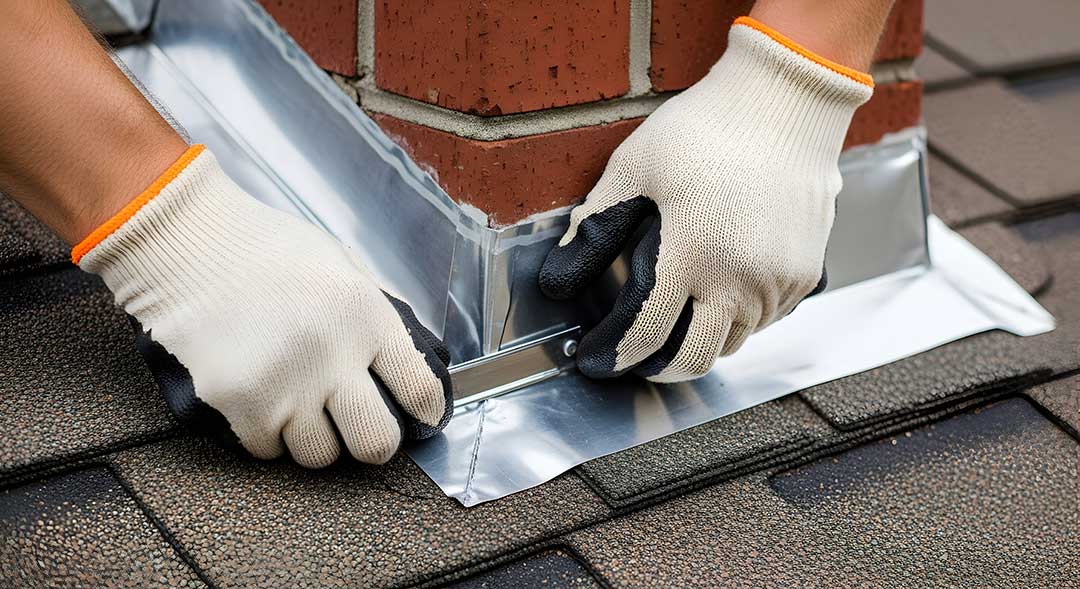
Wind can lift shingle edges, loosen flashing, damage vents, and remove isolated shingles. A roof does not need to lose large sections of material to develop a leak. One lifted shingle or displaced piece of flashing may allow water underneath.
Wind damage is more likely when roofing materials are already brittle, poorly sealed, improperly fastened, or weakened by earlier storms. Roof edges, ridges, hips, and corners generally experience greater wind pressure than the central field of the roof.
After strong winds, a ground-level visual check may reveal:
- Shingles in the yard or driveway
- Uneven rows or lifted corners
- Exposed underlayment
- Bent metal flashing
- Damaged vent covers
- Fallen branches or scraped roofing surfaces
Do not assume that a roof is undamaged simply because it is not leaking yet. Some wind-related openings become noticeable only during the next period of heavy rain.
Can summer heat and sunlight shorten roof life?
Yes. Ultraviolet radiation and repeated heating and cooling can age roofing materials. Dark surfaces absorb heat, and temperature changes cause materials to expand and contract. Over many years, this movement can contribute to cracking, curling, loss of surface granules, and weakening seal strips.
Heat-related signs may include:
- Brittle or cracked shingles
- Curled corners
- Excessive granules in gutters
- Faded or uneven roof surfaces
- Deteriorated rubber components around vents
Adequate attic ventilation helps reduce excessive heat and moisture, but ventilation must work with sufficient insulation and controlled air movement. Adding vents without addressing air leaks or poor insulation does not necessarily solve an attic-heat problem.
What role do trees and falling branches play?
Trees can affect a roof even when no branch falls. Overhanging limbs may scrape shingles, drop leaves into valleys, and shade damp areas where moss or algae develop. During storms, dead limbs and weak branches can puncture roofing materials or damage gutters.
Leaves and small debris may block valleys and drainage channels. Accumulated organic material holds moisture against the roof surface and can hide developing damage. After windy weather, residents should look from the ground for broken limbs, debris, and areas where branches may have rubbed against the roof.
Climbing onto a roof to remove branches is risky, particularly when the surface is wet, steep, icy, or damaged.
Does attic ventilation affect weather-related roof damage?
Attic ventilation affects how a roof responds to both winter and summer conditions. During cold weather, poor ventilation can allow moisture to accumulate in the attic. That moisture may condense on roof sheathing, wet insulation, encourage mold, and contribute to wood deterioration.
During warm weather, inadequate ventilation can increase attic temperatures and accelerate aging of roofing components. However, ventilation should not be treated as a simple matter of adding as many vents as possible. Intake and exhaust openings must work together, and air should not be pulled from the living space into the attic through unsealed gaps.
Signs of attic moisture or ventilation problems include frost on roof sheathing, damp insulation, rusted nails, musty odors, peeling paint near upper ceilings, and recurring winter condensation.
How often should weather-related roof conditions be checked?
A ground-level check after major weather is useful, and an attic check can reveal problems before they appear indoors. Inspections are especially valuable after:
- High winds
- Heavy snow or rapid melting
- Ice dam formation
- Fallen branches
- Extended periods of rain
- Severe temperature swings
Look for missing or displaced shingles, damaged flashing, clogged gutters, sagging areas, ceiling stains, and damp attic materials. Any roof or ceiling sag, active interior leak near electrical fixtures, or suspected structural movement should be treated as a safety issue. Keep clear of affected areas and avoid entering unstable spaces.
Weather does not affect every roof in the same way. Age, slope, materials, installation quality, attic conditions, tree exposure, and past repairs all influence how a roof performs. Regular observation is useful because small weather-related defects are generally easier to understand and address before they become widespread water or structural problems.
