
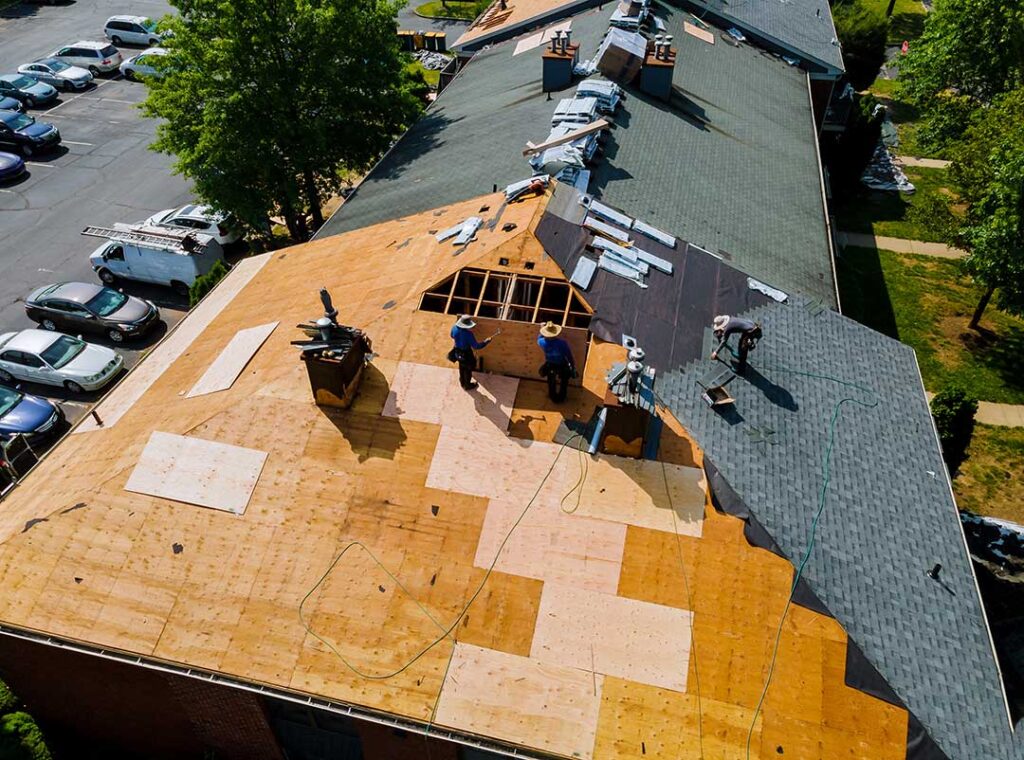
Can a Roof Really Affect Indoor Allergy Levels?
Yes, the condition and integrity of a home’s roof can play a significant role in indoor allergen levels. In Livonia, NY, where homes face wet springs, humid summers, and long winters, roofs experience considerable wear. When a roof becomes compromised—through leaks, missing shingles, or persistent moisture—contaminants like mold, pollen, dust, and other outdoor allergens can more easily enter the home. Installing a new, tightly sealed roof significantly reduces these opportunities for infiltration, leading to healthier indoor air.
What Kinds of Allergens Come Through an Old or Damaged Roof?
Roof leaks and poorly sealed attics allow a surprising range of allergens into homes. Some of the most common include:
- Mold spores: Persistent dampness from leaks or condensation creates an ideal environment for mold growth. Spores released from mold colonies in insulation, rafters, or attic spaces can circulate throughout the house.
- Pollen: Though less obvious, pollen grains find their way indoors through even tiny gaps, especially during spring and summer when local trees and grasses release heavy loads.
- Dust and debris: Gaps or splits in roof structures draw in dust, animal dander, and, in some cases, fragments of decaying roof materials, all of which can trigger allergies, especially during dry, windy weather.
- Animal allergens: Small gaps sometimes invite mice, squirrels, or bats, whose droppings and dander can compound allergy and asthma symptoms for occupants.
How Does a New Roof Reduce Allergen Issues in Area Homes?
A new roof, properly installed and sealed, acts as an effective barrier against the main sources of indoor allergens. Here’s how:
- Improved moisture control: New roofing systems prevent leaks and reduce condensation, cutting off the moisture supply that mold and mildew need to thrive.
- Sealing gaps and cracks: Modern roofing methods close entry points for outdoor dust, pollen, and small animals, blocking contaminants before they enter attic and living spaces.
- Enhanced attic ventilation: Replacing a roof often means updating the attic’s ventilation, lettings spaces dry out quickly and reducing both moisture and airborne allergens.
- Upgraded materials: Replacing older, damaged, or moldy insulation and roof decking further dilutes sources of musty odors and particles.
- Reduced accumulation: New roofs shed debris and rain more efficiently, lowering the chance for organic material to become trapped and break down over time.
How Does Climate in Livonia Affect Allergens from the Roof?
Livonia’s humid summers and damp transitional seasons create conditions where roof leaks and mold growth are common issues. Many area homes have attics that are not fully conditioned, so heat and moisture easily collect in these spaces, especially if roofs are aging or were built with less effective materials.
- Seasonal pollen: With abundant trees and fields surrounding the community, pollen counts rise sharply in early spring and late summer. A roof with cracks or failing underlayment can let high outdoor pollens filter into attic insulation, then into living rooms and bedrooms through cracks around vents and ceilings.
- Winter moisture: Melting snow and “ice dams” caused by freeze-thaw cycles cause water to seep under loose shingles. This recurring dampness keeps roof materials wet for days, which is ideal for mold.
Installing a new roof before these conditions take a toll can help local families avoid both accidental water damage and the rise in indoor irritants that often follow wet weather.
Are There Signs Indoor Allergens Might Be Coming From the Roof?
Most homeowners in the community check air filters and clean surfaces to address allergies, but few realize the roof’s role—until the signs become more obvious. Watch for:
- Recurrent musty or earthy smells, especially after rain or snowmelt
- Water stains or paint bubbling on upstairs ceilings or walls
- Unexplained increases in allergy symptoms at home, even when the air appears clean
- Animal scurrying noises in the attic or evidence of droppings near eaves
- Any visible mold growth in attic corners or on rafters
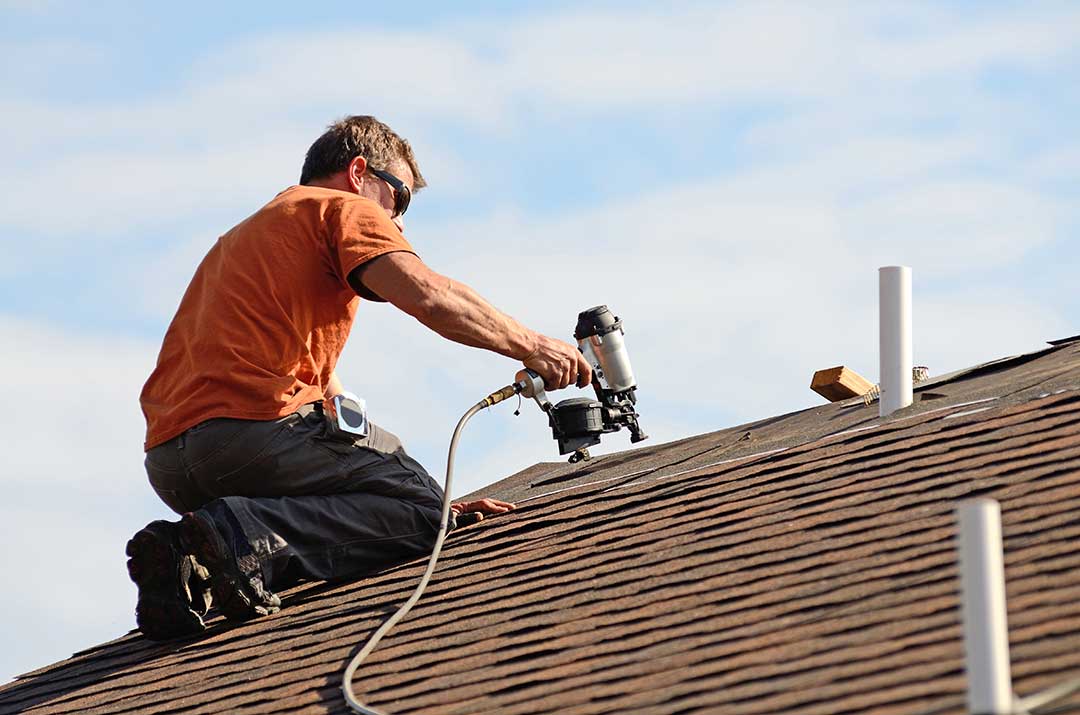
If these conditions exist, simply cleaning ducts or using air purifiers may not provide lasting relief—addressing the roof itself is often necessary.
What Should Residents Consider When Planning a Roof Replacement for Allergen Reduction?
Focusing on the right design and materials can make a major difference:
- Proper attic ventilation: Make sure the new system includes both intake and exhaust vents sized for the home’s footprint.
- Mold-resistant materials: Some modern underlayments and insulation products inhibit mold growth, which is useful in humid climates like Livonia.
- Sealed penetrations: Pay close attention to vents, chimneys, and skylights. These areas are common weak points for drafts and moisture, which can carry allergens.
- Upgraded insulation: Replacing moldy or compacted insulation during roof installation helps remove built-up dust and spores already present.
Always focus on complete, lasting repairs rather than patchwork fixes, since addressing only visible leaks may miss hidden pathways for allergens.
Common Misconceptions About Roofs and Indoor Allergies
*Many assume that pollen and mold spores only enter through open windows or HVAC systems.* In reality, leaks in the roof or attic are often silent contributors to indoor air quality issues. Others may think frequent cleaning or use of air purifiers is enough to solve recurring allergies; however, unless the structural source of allergens is removed, symptoms often persist.
In Livonia, where roof and attic spaces face tough weather shifts and moisture problems, caring for the roof is a critical step toward a less allergen-prone home—something that benefits all in the household season after season.
