
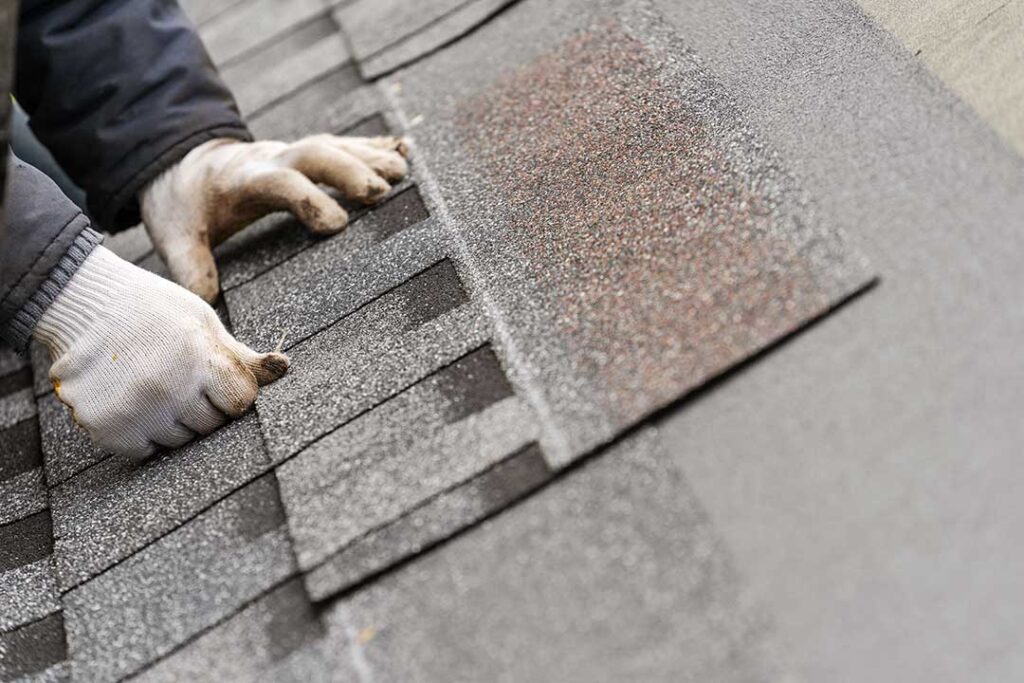
What Are Roof Fire Ratings?
Roof fire ratings are a standardized way to measure how well roofing materials resist fire. These ratings, set by national safety organizations like ASTM and UL, help homeowners and builders in Livonia, NY understand how different products perform during a fire. Materials receive a Class A, B, or C rating based on strict laboratory tests. Class A is the highest level of fire resistance, while Class C is the minimum acceptable for most residential use.
In a community like Livonia, where traditional homes often feature sloped or shingled roofs and where wildfires are rare but not impossible, understanding these ratings is a practical step in reducing risk, complying with insurance requirements, and making informed decisions about repairs and upgrades.
Why Do Roof Fire Ratings Matter for Area Residents?
Roof fire ratings matter because they help protect families, property, and neighbors. A higher-rated roof can slow the spread of fire, giving occupants more time to react and firefighters a better chance to respond. This is especially relevant in neighborhoods where homes are close together or surrounded by vegetation.
Local weather in Livonia, with its combination of cold winters, spring thunderstorms, and summer dry spells, can occasionally lead to fire risks from things like lightning strikes, downed electrical lines, barbeque accidents, or stray embers from nearby fires. Roof materials with low fire resistance can become a hazard if sparks or embers land on the home.
What Do the Different Classes Mean?
- Class A: Offers the best protection. Materials in this class withstand severe fire exposure, resist flames for the longest time, and are least likely to contribute to fire growth. Asphalt fiberglass shingles, metal panels, and clay tiles are common examples.
- Class B: Offers moderate protection. These materials withstand a moderate fire source but may perform less reliably than Class A if exposed for an extended period.
- Class C: Offers the lowest level of rated protection. These materials are only effective against light fire exposure, may ignite sooner, and are generally recommended only in areas with very low external fire risks.
Many homes in Livonia use asphalt shingles that have a Class A rating, either because of the materials themselves or additional fire-resistant treatments.
How Are Roof Fire Ratings Determined?
Laboratories test roofing products by exposing them to direct flame, burning embers, and simulated wind conditions. These tests check for flame spread, how much of the material falls away while burning, and whether the material ignites underlying layers.
Only products that meet the strict criteria for Class A, B, or C are labeled accordingly. Even within the same type of roofing, ratings may vary—factors like installation methods, underlayment, and roof slope can affect a material’s actual performance.
Are There Local Requirements or Recommendations in Livonia?
In most parts of Livonia, NY, there is no special code requiring Class A roofs for single-family homes; standard state building codes apply. However, certain developments or housing authorities may have their own guidelines, especially in newer or higher-density neighborhoods.
Insurance policies may also mandate specific fire ratings for roof materials, especially after wildfires or severe storms in other regions have forced companies to reassess risk. It is often worth checking with your local insurer or municipal code office when planning roof repairs or replacement.
What Materials Are Commonly Used in Livonia and How Do They Rate?
Residents typically encounter a range of roofing types, each with different fire resistance:
- Asphalt Shingles: Most common and usually rated Class A. Some less expensive varieties may only reach Class B, especially if installed without certain underlayments.
- Metal Roofing: Naturally fire-resistant and often Class A rated, but performance depends on installation and design details.
- Slate and Tile: Also Class A if properly installed. Tile and slate are not only durable but help protect against airborne embers.
- Wood Shakes or Shingles: Natural wood is typically unrated or only Class C unless it’s specially treated. Untreated wood can actually contribute to the spread of fire.
- Synthetic and Composite Shingles: Ratings vary; some achieve Class A, but always check product labels and documentation.
Local building patterns—such as older homes with wood shake roofs or newer builds with fiberglass asphalt—can change community risk over time.
What Are Common Misconceptions About Roof Fire Ratings?
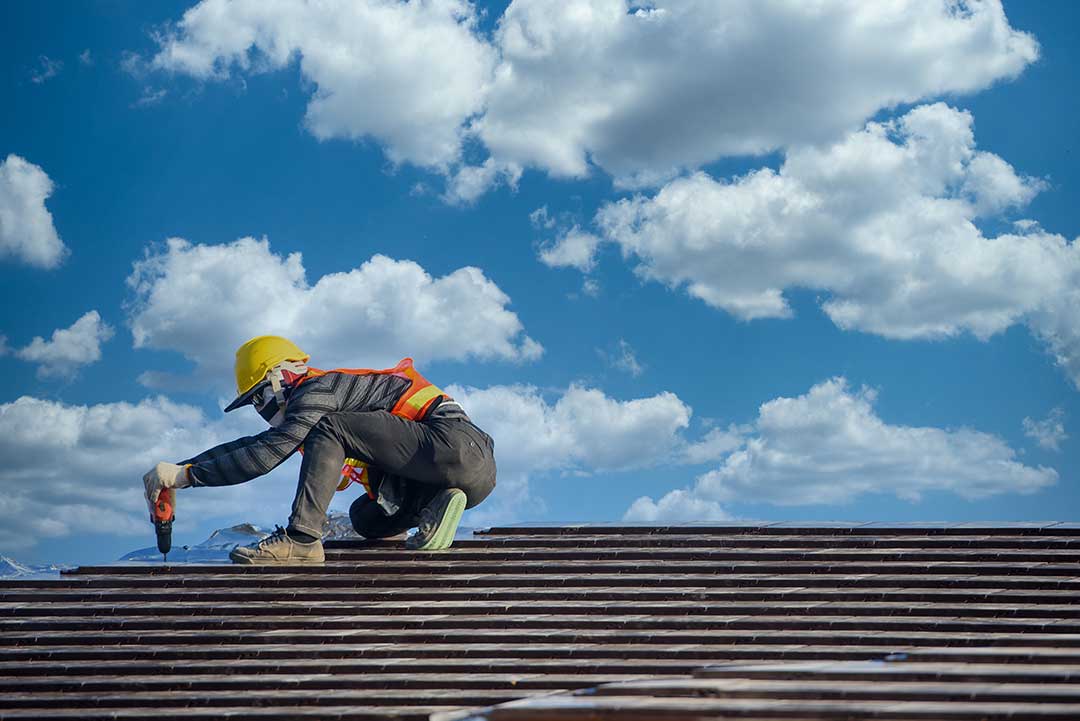
Some area homeowners assume that any shingled roof is fire-resistant or that protection comes solely from the top-most layer. In reality:
- Fire rating can depend on both the surface material and the underlayment.
- DIY repairs might accidentally downgrade a roof’s fire rating if improper materials or methods are used.
- Aging materials can lose fire resistance, especially if cracked or worn.
It’s also a misconception that metal roofing is always “fireproof.” While it doesn’t ignite, very high temperatures can still damage the structure, and poorly installed metal can allow heat or embers to reach vulnerable areas underneath.
How Can Households Improve Roof Fire Safety Beyond Ratings?
A high fire rating is a strong foundation, but day-to-day upkeep matters just as much:
- Keep gutters and roof surfaces clear of leaves, needles, and debris, especially in autumn or after windstorms.
- Trim branches that overhang the roof to prevent accidental ignition.
- Avoid accumulating yard waste or firewood near exterior walls.
- Ensure vents and eaves are screened to block windblown embers.
Homes in Livonia often see increased roof debris during wet springs or blustery autumns, so regular cleaning is an important habit.
What Should New and Longtime Residents Know When Considering Roofing Projects?
If planning a new roof or repairs, request documentation on fire ratings for any materials under consideration. Compare products by their stated rating and check that installation practices will preserve that level of protection.
For those owning older homes or cottages, it may be worth checking whether existing roofing meets current standards for fire resistance. Replacing outdated or obsolete material can improve safety, insurance eligibility, and peace of mind—especially in neighborhoods with a history of home improvements, additions, or material changes.
