
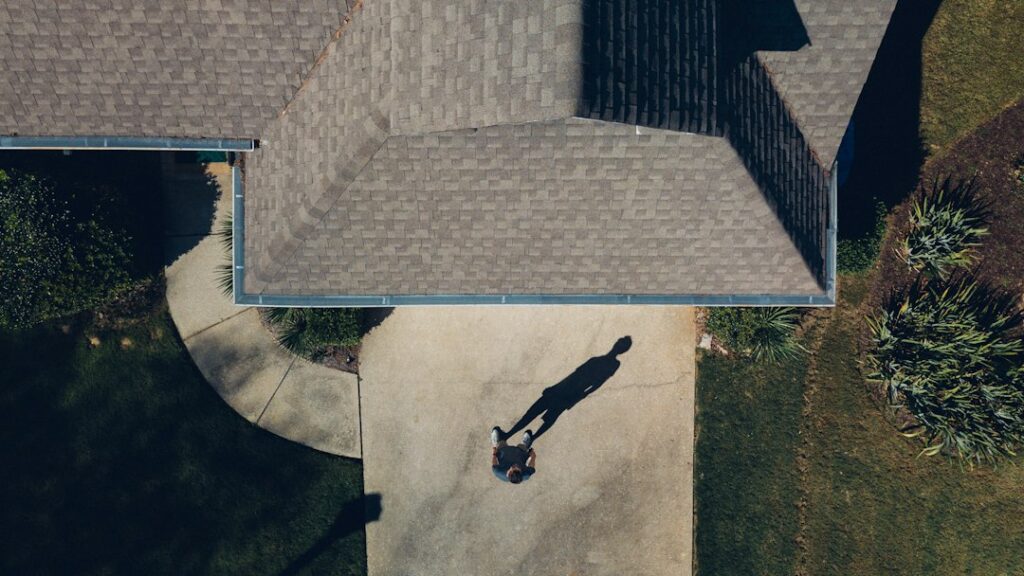
Roof inspections help identify water entry, storm damage, aging materials, and ventilation problems before they become expensive or disruptive. For households in Livonia, NY, inspections are especially useful because roofs must withstand snow, ice, freeze-thaw cycles, strong winds, heavy rain, and falling branches throughout the year.
A roof inspection is not the same as a roof replacement evaluation. The purpose is to understand the roof’s current condition, identify developing risks, and decide whether routine maintenance, targeted repair, continued monitoring, or more extensive work may be appropriate.
What does a roof inspection include?
A proper inspection examines the roof covering, drainage areas, flashing, penetrations, attic space, and visible signs of moisture inside the home. The inspector may review the roof from the ground, a ladder, the roof surface, the attic, or a combination of these methods.
Typical inspection areas include:
- Shingles, metal panels, membranes, or other roof coverings
- Ridges, valleys, hips, eaves, and roof edges
- Flashing around chimneys, walls, skylights, and vents
- Plumbing vent openings and other roof penetrations
- Gutters, downspouts, and drainage paths
- Soffits, fascia, and areas near the roofline
- Attic insulation, ventilation, stains, dampness, and daylight
- Interior ceilings and upper-level walls
A roof inspection should describe observed conditions rather than simply labeling a roof “good” or “bad.” A useful report explains what was seen, where it was found, how serious it appears to be, and whether additional evaluation may be necessary.
How often should a homeowner inspect the roof?
Most homeowners benefit from a visual roof check twice a year: once in spring and again in fall. An additional inspection is sensible after a major windstorm, heavy snowfall, ice event, hailstorm, or nearby tree damage.
Spring inspections are useful for finding problems caused by winter conditions, including:
- Missing, lifted, cracked, or displaced shingles
- Damaged flashing
- Ice-dam-related water entry
- Gutter separation or blockage
- Sagging roof sections
- Wet insulation or stained roof decking in the attic
Fall inspections provide an opportunity to address loose materials, blocked drainage, and ventilation concerns before snow and ice arrive. In this region, leaves and small branches can collect in valleys and gutters, restricting water flow during autumn rains and winter thaws.
A roof does not need to look visibly damaged from the ground to have a problem. Water may enter around flashing or penetrations and travel along roof decking before appearing as an interior stain.
Can homeowners inspect a roof themselves?
Homeowners can safely perform a ground-level inspection, but climbing onto a roof is hazardous and is not necessary for routine observation. Wet shingles, frost, steep slopes, moss, loose materials, and concealed roof edges can create fall risks.
From the ground, look for:
- Uneven or sagging roof lines
- Shingles that appear lifted, missing, curled, or unusually dark
- Granules collecting near downspouts
- Exposed underlayment or bare roof areas
- Damaged chimney caps, vents, or flashing
- Gutters pulling away from the house
- Water stains on exterior walls below roof edges
Binoculars can help reveal surface conditions without requiring a ladder. A ladder should not be used to reach the roof unless it is properly placed, secured, and used by someone familiar with ladder safety.
Inside the attic, use a flashlight and avoid stepping between ceiling joists. Look for damp insulation, darkened wood, rusted fasteners, mold-like growth, daylight, or water trails. These signs may indicate a roof leak, condensation problem, or inadequate ventilation.
What roof problems are common after winter?
Winter damage is not always dramatic. Repeated freezing and thawing can loosen flashing, enlarge small openings, and cause water to move beneath roof coverings. Snow and ice can also conceal damage until temperatures rise.
Ice dams deserve particular attention. They form when heat escapes into a roof area, melts snow higher on the roof, and allows water to refreeze near colder eaves. The resulting ice can obstruct drainage and permit water to move beneath roof materials.
Signs of possible ice-dam damage include:
- Brown or yellow ceiling stains near exterior walls
- Peeling paint at upper-level ceilings
- Damp insulation along the eaves
- Water marks around windows or attic framing
- Repeated leaks during winter thaws
- Large, uneven ice formations along roof edges
Removing ice with a shovel, axe, or other sharp tool can damage roof coverings and create a safety hazard. Roof snow should not be removed by climbing onto an icy surface. If snow accumulation appears unusually heavy, the roof sags, doors begin sticking, or interior cracking develops, occupants should stay clear of affected areas and seek qualified assistance promptly.
What should be checked after a storm?
After high winds or severe weather, begin with the yard and the ground around the house. Look for fallen branches, shingle pieces, metal fragments, damaged vents, and gutter sections. Do not assume that a few pieces of debris represent the full extent of the damage.
A storm inspection should consider:
- Missing or partially detached roof materials
- Punctures from branches or debris
- Exposed roof deck or underlayment
- Bent flashing and damaged vents
- Dents or cracks that may indicate hail impact
- Water entering the attic or living space
- Damage to siding, soffits, fascia, or gutters

If water is near light fixtures, wiring, or electrical equipment, avoid touching the affected area. Place containers under active drips only when doing so is safe, and document visible damage with photographs from the ground or interior.
Temporary coverings may reduce additional water entry, but they must be installed safely and should not involve walking on a wet or unstable roof.
What does roof age tell a homeowner?
Age is useful context, but it does not determine roof condition by itself. Two roofs installed during the same year may perform differently because of ventilation, installation quality, shade, tree coverage, maintenance, storm exposure, and the condition of the underlying roof deck.
A roof inspection should consider both age and visible performance. Important questions include:
- Are leaks recurring in the same area?
- Are repairs becoming more frequent?
- Is the roof surface losing material or becoming brittle?
- Are flashing and sealants deteriorating?
- Is the attic properly ventilated?
- Has moisture affected insulation or structural wood?
- Are previous repairs holding up?
Older roofs may remain serviceable if they are dry, well-drained, and free of widespread deterioration. Conversely, a relatively newer roof may need attention if it has installation defects or storm damage.
When is a roof problem urgent?
Some conditions require prompt attention because they can threaten the structure or interior of the home. Urgent warning signs include active leaks, a visibly sagging roof, large areas of missing covering, exposed decking, fallen trees, substantial snow accumulation, or water near electrical systems.
A small ceiling stain is not necessarily an emergency, but it should not be ignored. Stains often indicate that water has already traveled through more than one layer of the building.
New York’s residential building requirements also address roof assemblies, weather protection, ventilation, and snow-related design considerations. When roof work involves structural changes, extensive repairs, or replacement, permit and code questions may apply. Requirements can depend on the scope of work and the type of building.
What should be recorded during an inspection?
Keep a simple roof record with the approximate installation date, repair history, inspection dates, photographs, and notes about leaks or storm events. Photographing the same areas over time makes gradual changes easier to recognize.
A useful inspection record identifies:
- The roof material and approximate age
- Areas inspected and areas that were inaccessible
- Visible defects and their locations
- Interior signs of moisture
- Gutter and drainage conditions
- Recommended monitoring or follow-up
- Whether snow, ice, or weather limited the inspection
Clear records are particularly helpful when a home changes ownership, when a recurring leak returns, or when storm damage needs to be distinguished from long-term wear.
